
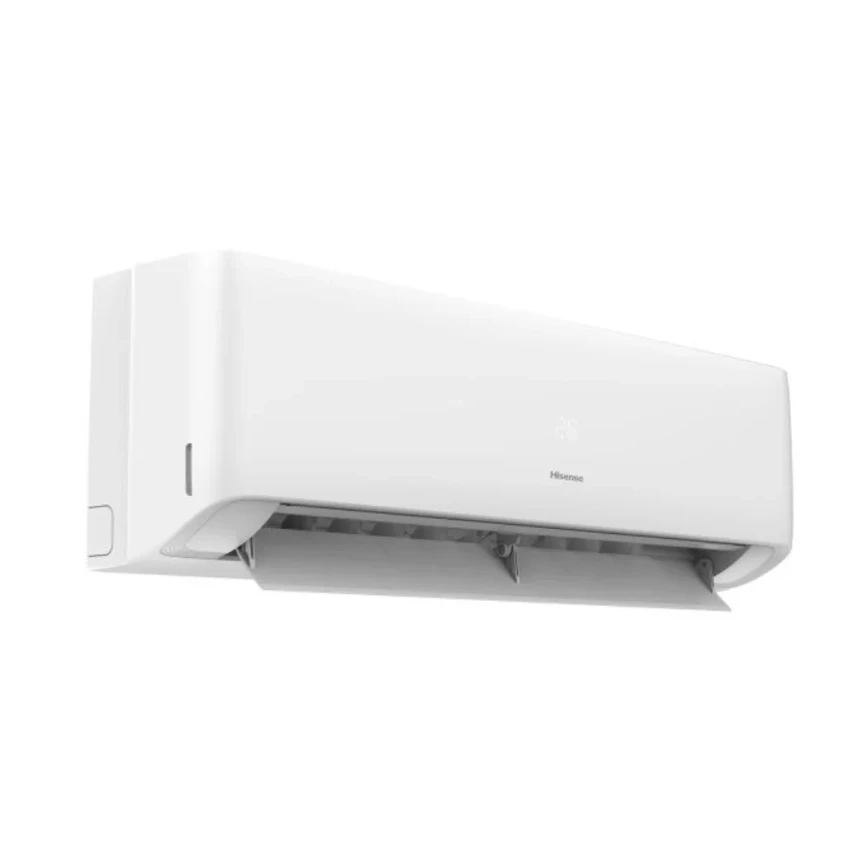
 Air Conditionar
 Smart Television
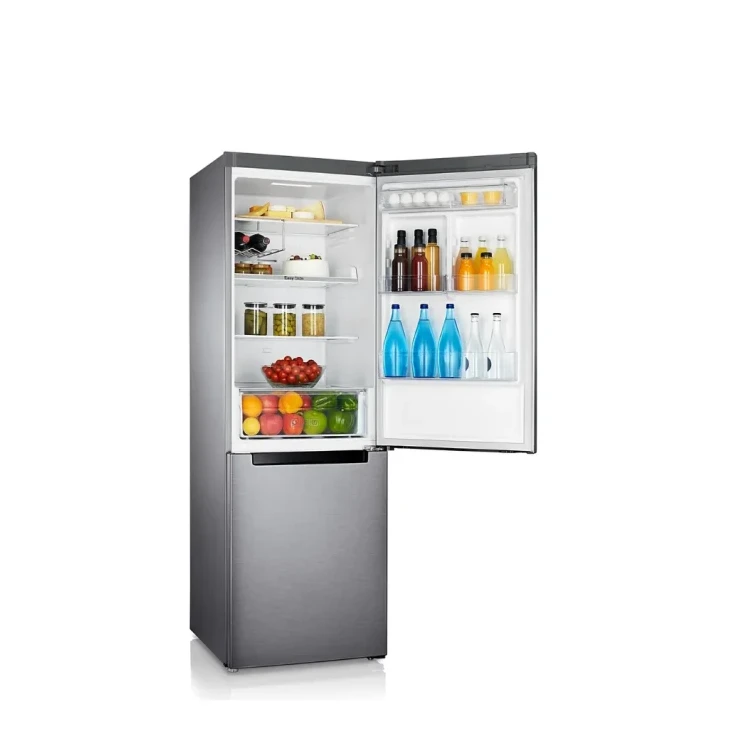 Refrigerator
 Washing Machine
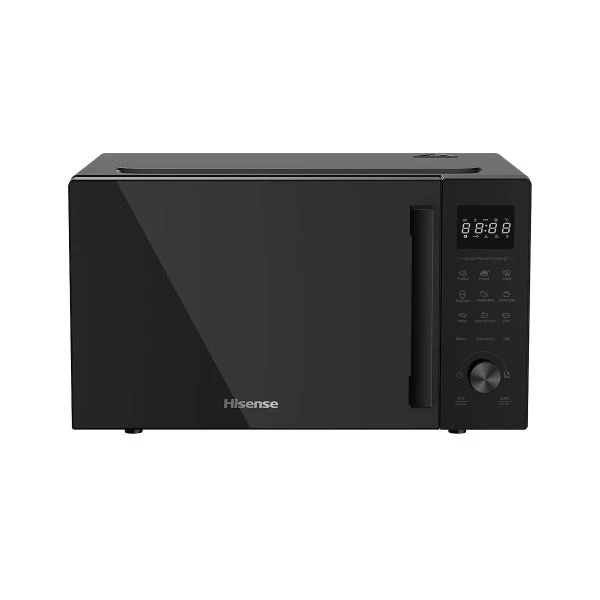 Microwave ovens
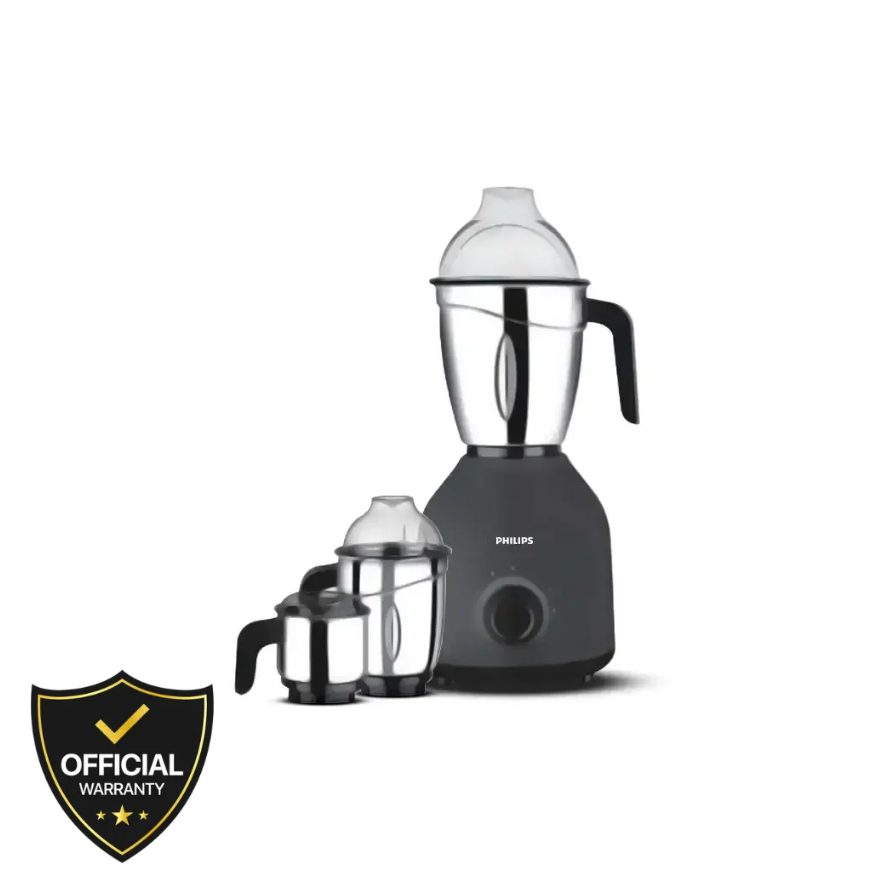 Kitchen Appliances
 Small Appliances
 Smart Phone
Terms & Conditions
E-commerce site terms and conditions, also known as terms of service or terms of use, are a set of rules and guidelines that govern the use of an online store. They outline the rights and responsibilities of both the business and its customers, covering aspects like product purchases, payment processing, account management, and dispute resolution. These terms are crucial for protecting the business, managing liabilities, and ensuring compliance with relevant laws and regulations.
Here's a more detailed look at what's typically included:
1. Scope and Purpose:
- Clearly defines the scope of the agreement and the purpose of the website or platform.
- May specify the types of products or services offered.
- Outlines the user's permitted and prohibited activities on the site.
2. User Accounts:
- Details the requirements for creating and maintaining user accounts.
- May include provisions for account suspension or termination.
3. Product Sales and Orders:
- Governs the process of ordering products, including pricing, payment methods, and shipping.
- May address issues like order confirmation, cancellations, and returns.
4. Intellectual Property:
- Addresses ownership and usage rights for website content, including text, images, and other media.
- May include provisions regarding trademarks, copyrights, and other intellectual property.
5. Limitation of Liability:
- Specifies the extent to which the business is liable for damages or losses incurred by users.
- May include disclaimers regarding product warranties or the accuracy of information on the site.
6. Governing Law and Dispute Resolution:
- Indicates which jurisdiction's laws govern the agreement.
- Outlines the process for resolving disputes, which may include mediation or arbitration.
7. Modifications:
- Reserves the right to modify the terms and conditions, often with a notice requirement.
- Provides a mechanism for users to accept or reject updated terms.
8. Contact Information:
- Includes contact details for users to reach the business for support or inquiries.
9. Miscellaneous:
- May include other provisions, such as a "force majeure" clause (addressing events outside the business's control), or a "severability" clause (addressing the validity of remaining provisions if one is found invalid).
Why are Terms and Conditions important?
- Terms and conditions protect the business from potential legal liabilities and disputes by clearly outlining the rules and expectations.
- They provide clear guidelines for users on how to use the website and what is expected of them.
- They help manage potential liabilities by disclaiming certain responsibilities.
- They set clear user expectations regarding product purchases, payment processing, and other aspects of the online store.
- They help ensure compliance with relevant laws and regulations.
Key takeaways:
- E-commerce terms and conditions are essential for any online business.
- They should be reviewed and updated regularly to ensure they remain relevant and enforceable.
- It's often wise to seek legal advice when drafting or reviewing your terms and conditions.